Home Addition Build From the Ground Up
Adding on to your home is one of the biggest investments you can make - and the difference between a solid addition and a headache down the road comes down to what happens before a single wall goes up. That's what this job was all about.
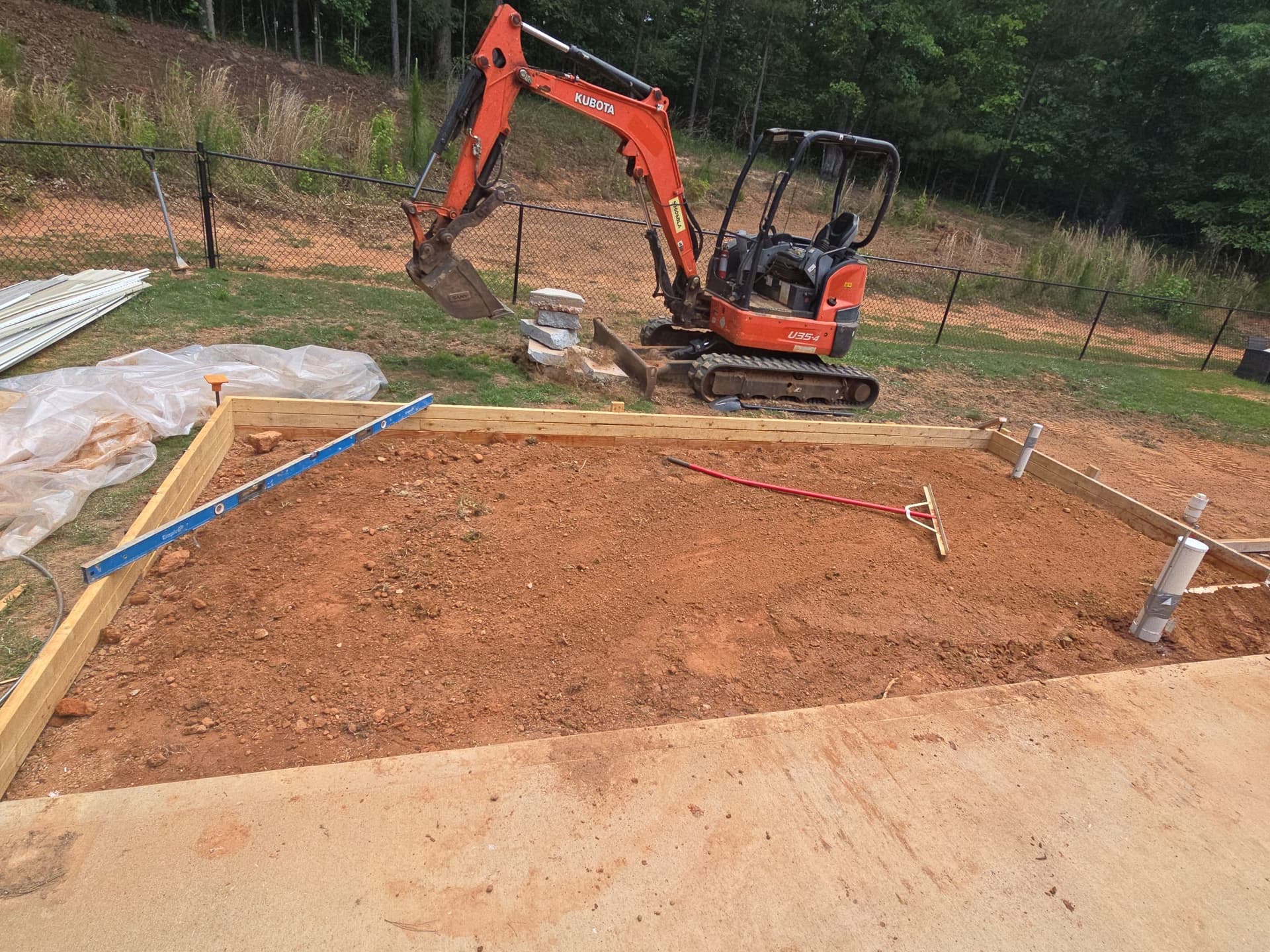
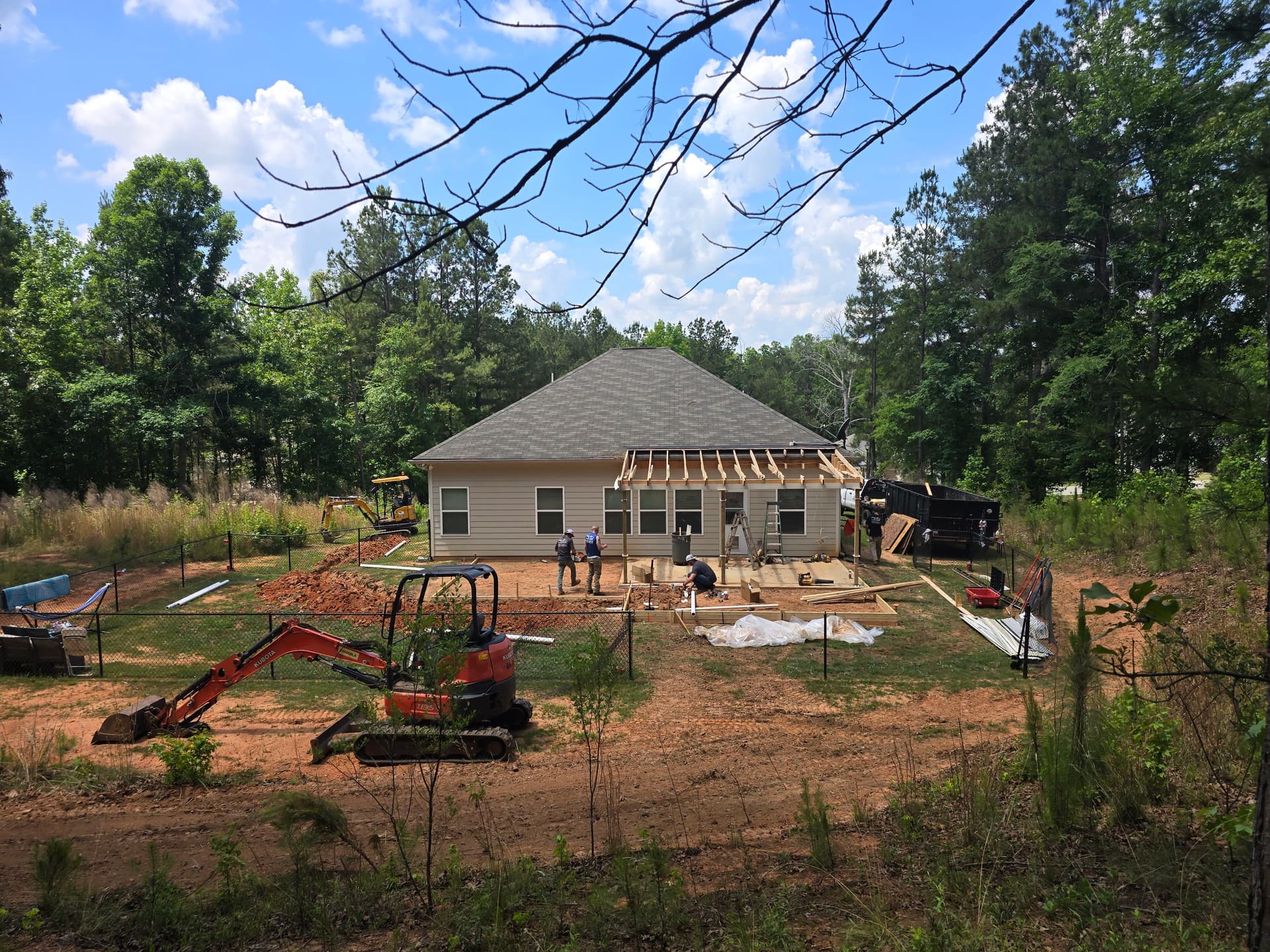
We started with site prep and excavation using a Kubota mini excavator to dig out and grade the area behind the house. Getting the ground level and properly compacted matters more than most people realize. Skip that step, and you're setting yourself up for cracked slabs and settling issues later. We don't cut corners there.
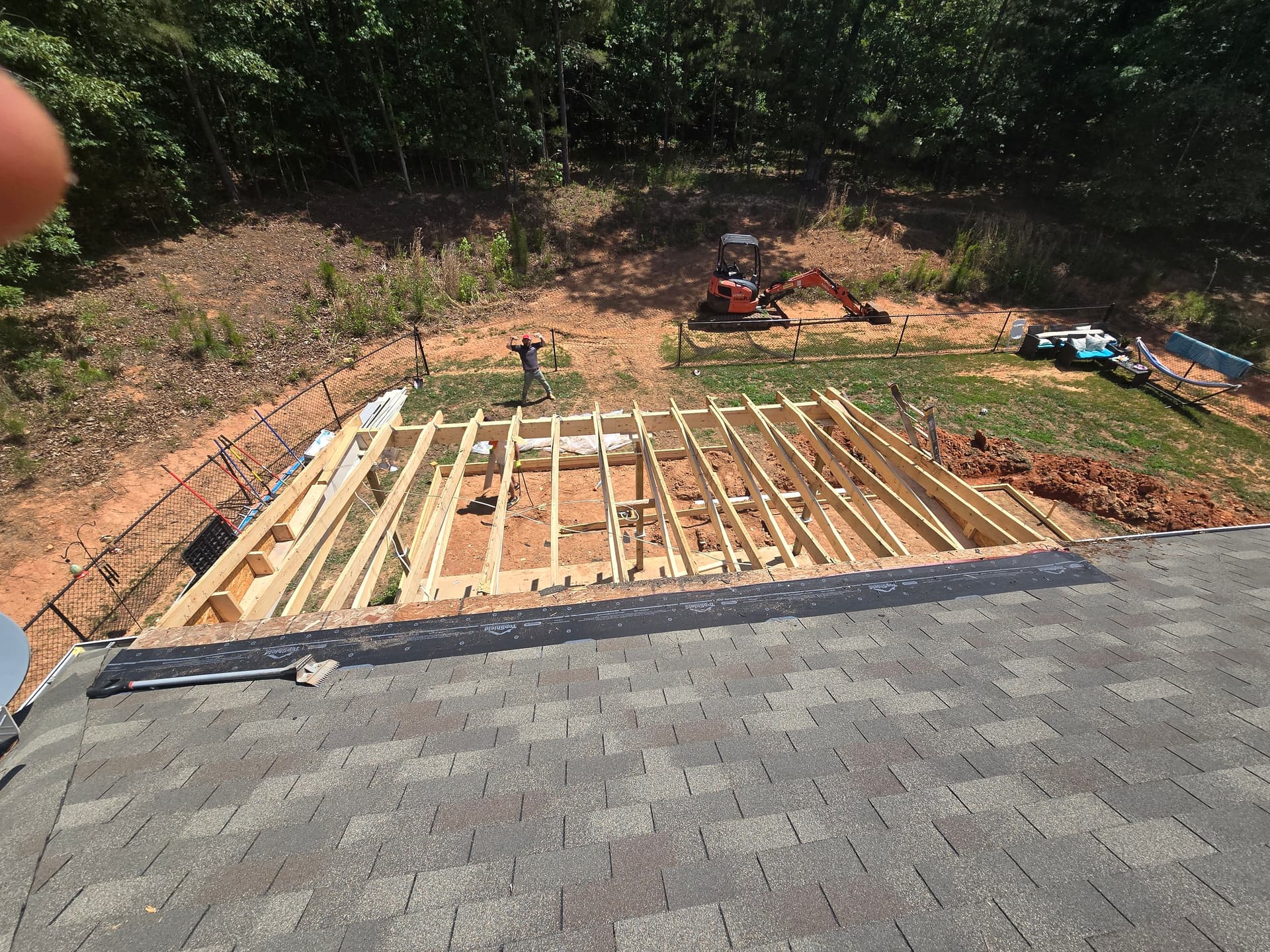
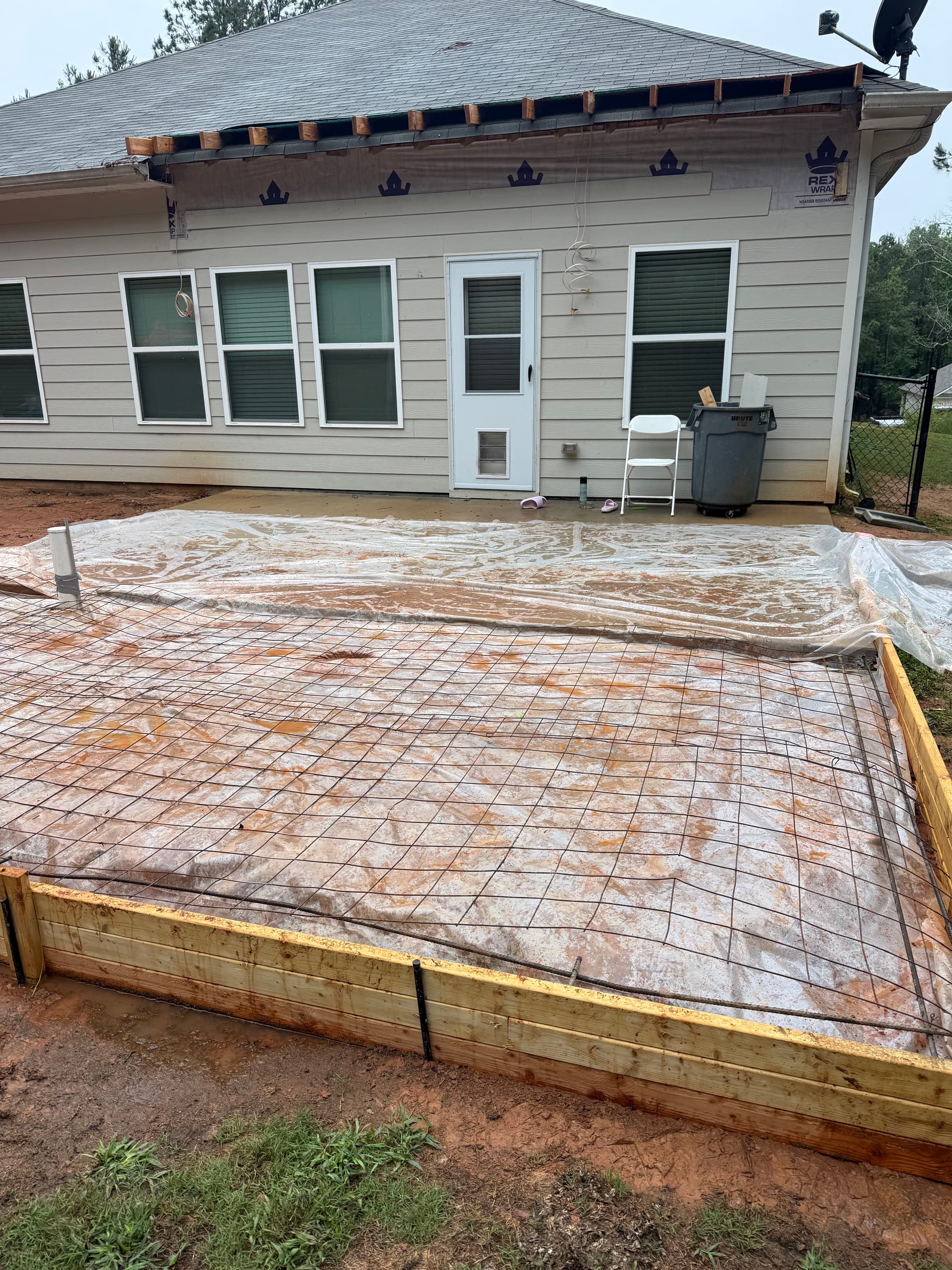
Once the groundwork was dialed in, we laid down vapor barrier and wire mesh reinforcement across the full footprint before the concrete went in. That steel grid is what keeps the slab from cracking under load over time. At the same time, the framing crew was already making progress - floor joists going in, roof framing starting to take shape right off the back of the existing roofline. The whole operation was running on multiple fronts at once, which is how you keep a job like this moving.
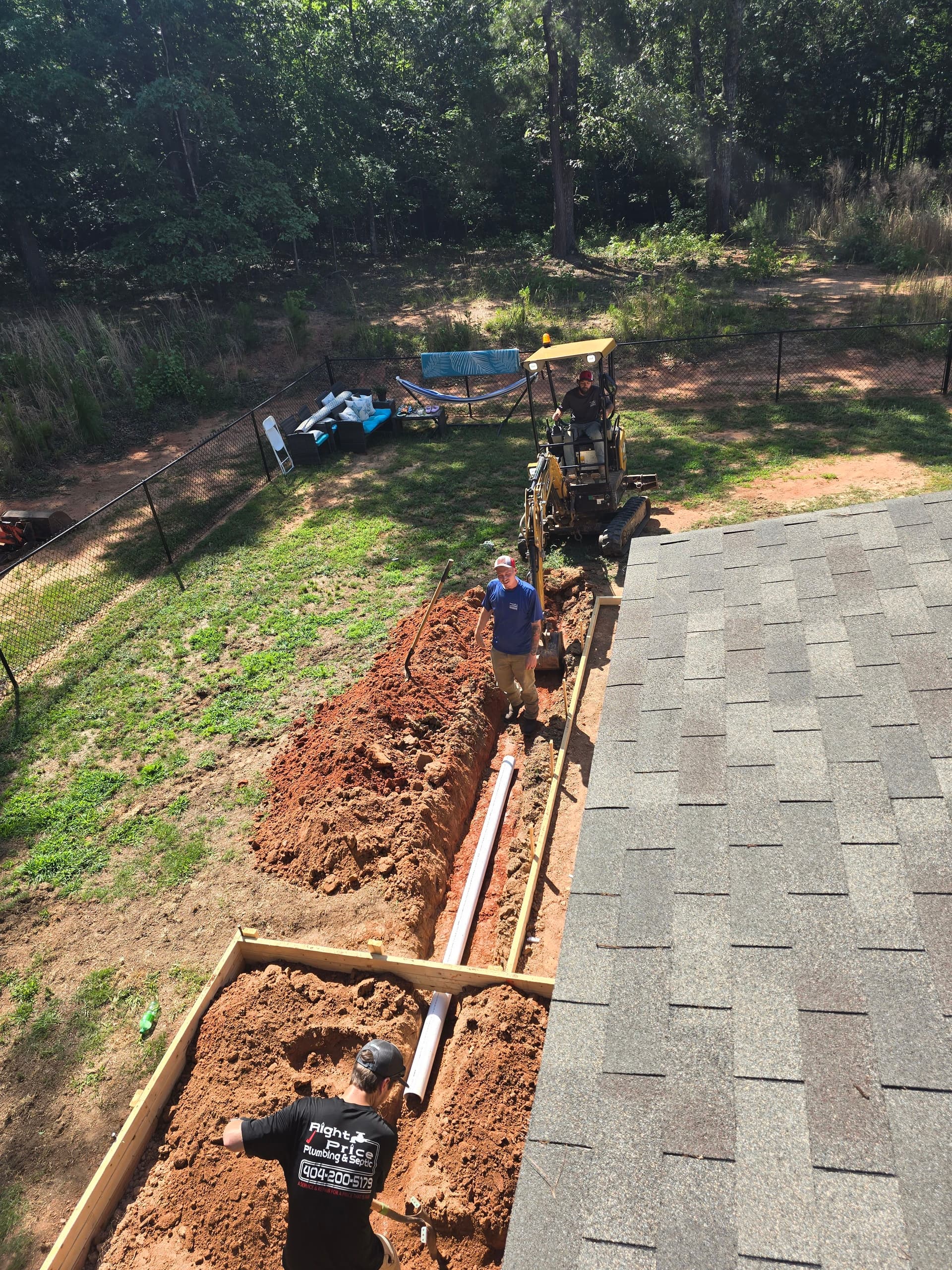
Plumbing rough-in happened in coordination with the slab work - trenching along the addition's edge and running pipe before everything gets locked in under concrete. That kind of sequencing matters. Getting the trades coordinated correctly early saves a lot of headaches later and keeps the project on track.
This is the kind of work we're built for. Whether it's concrete, structural framing, or full addition builds, we handle the groundwork that everything else depends on. Quality at this stage isn't optional - it's what the whole addition is standing on.