Why This Shower Had to Come Down to the Studs
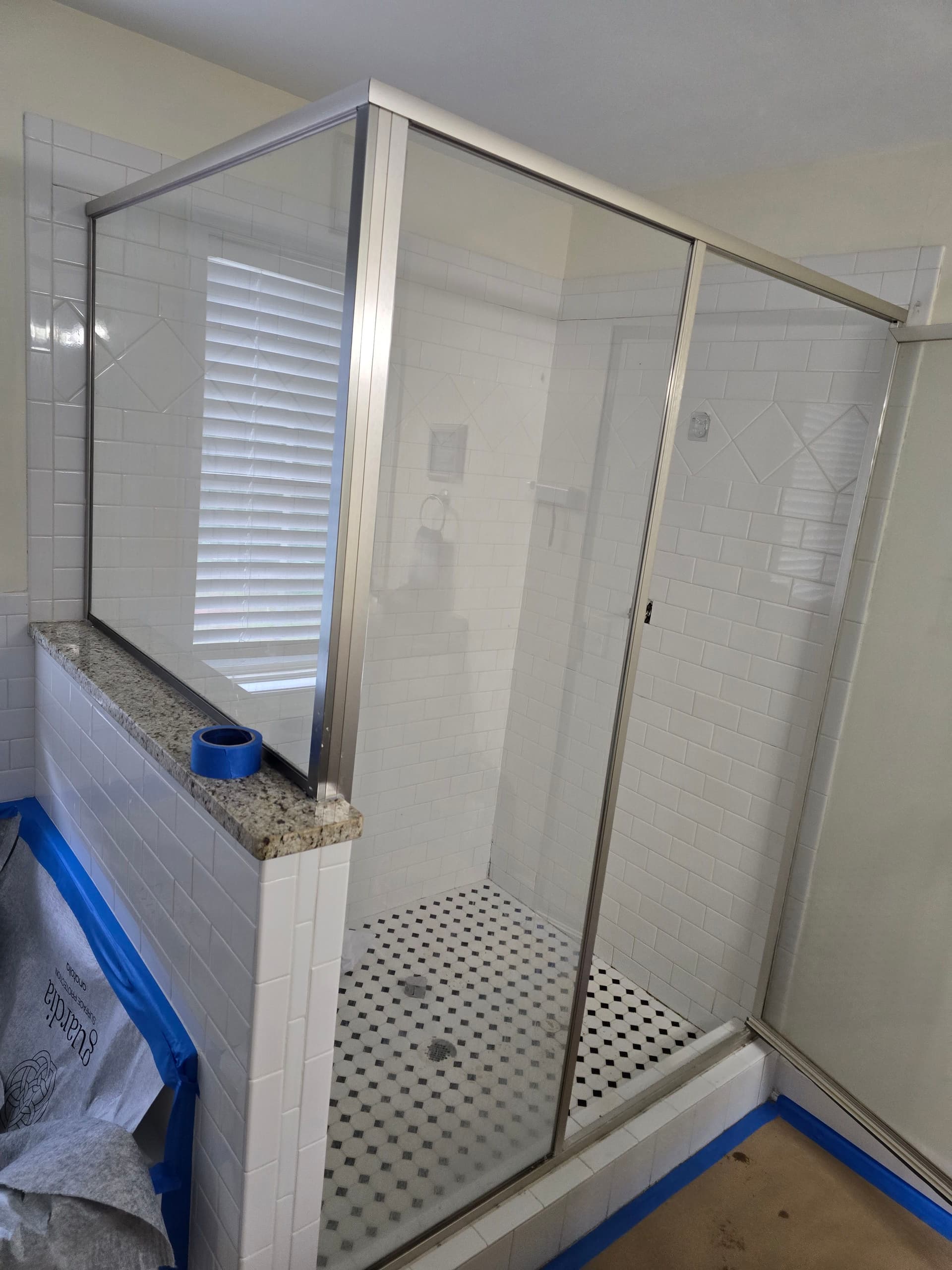
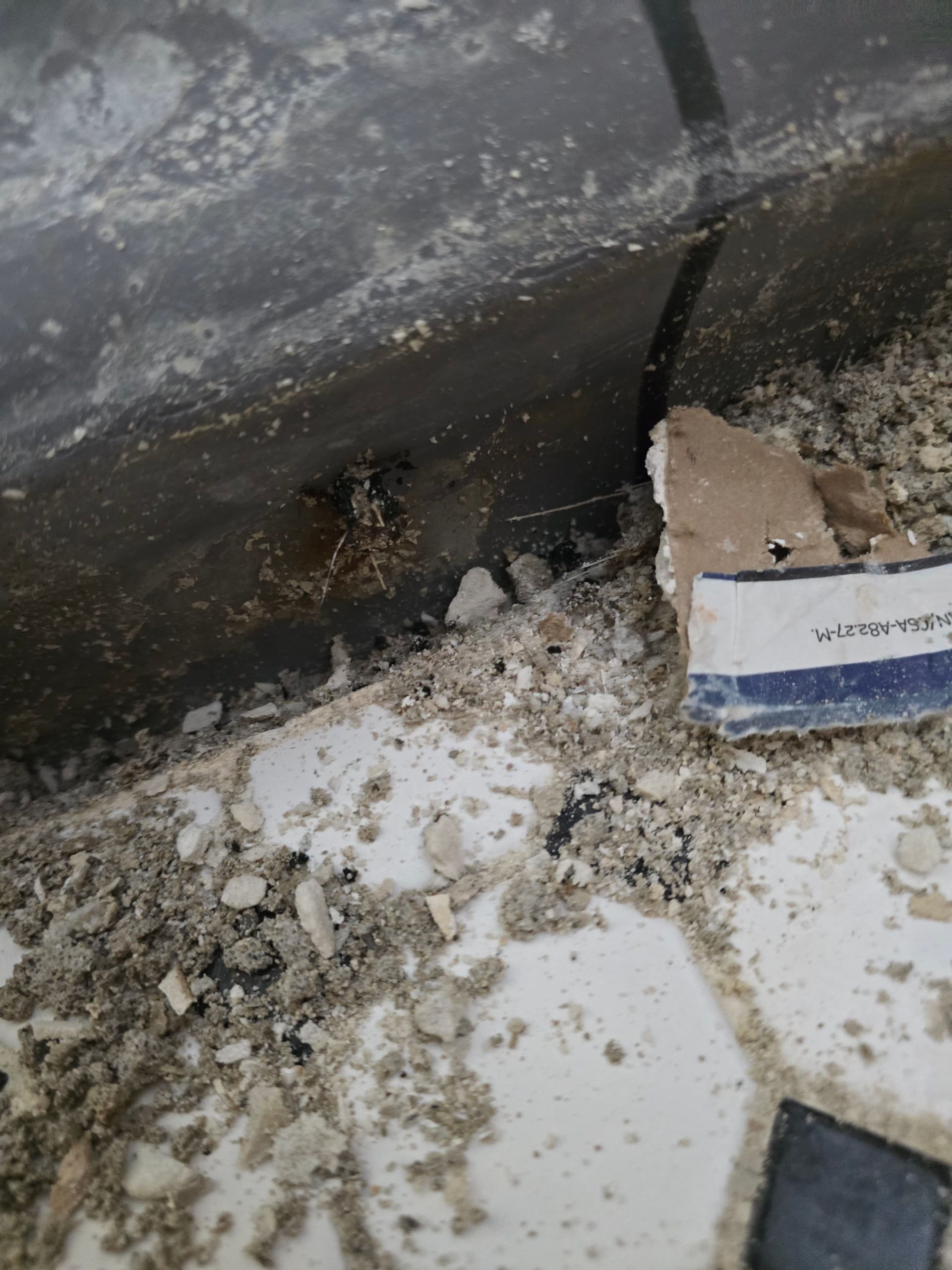
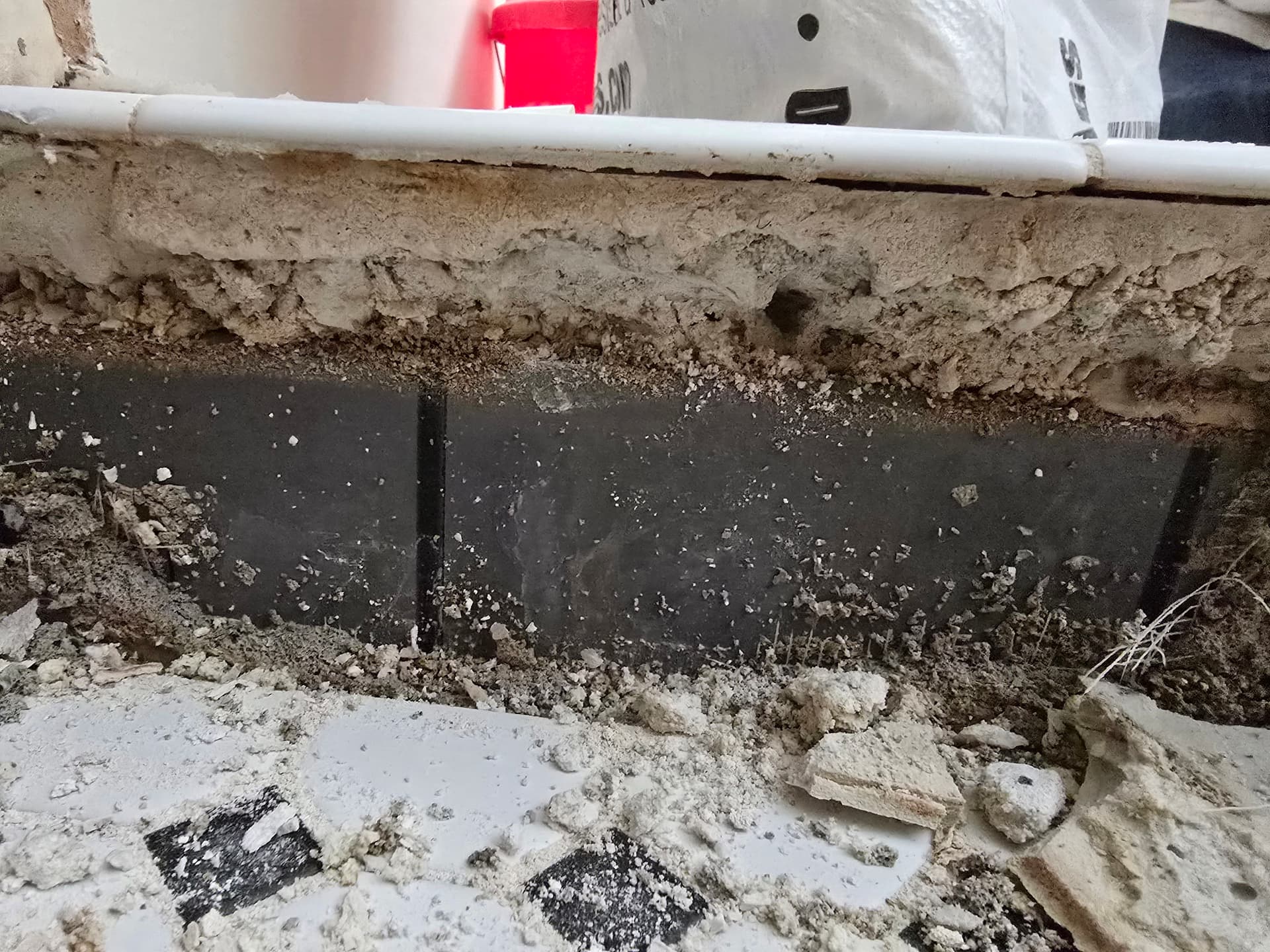
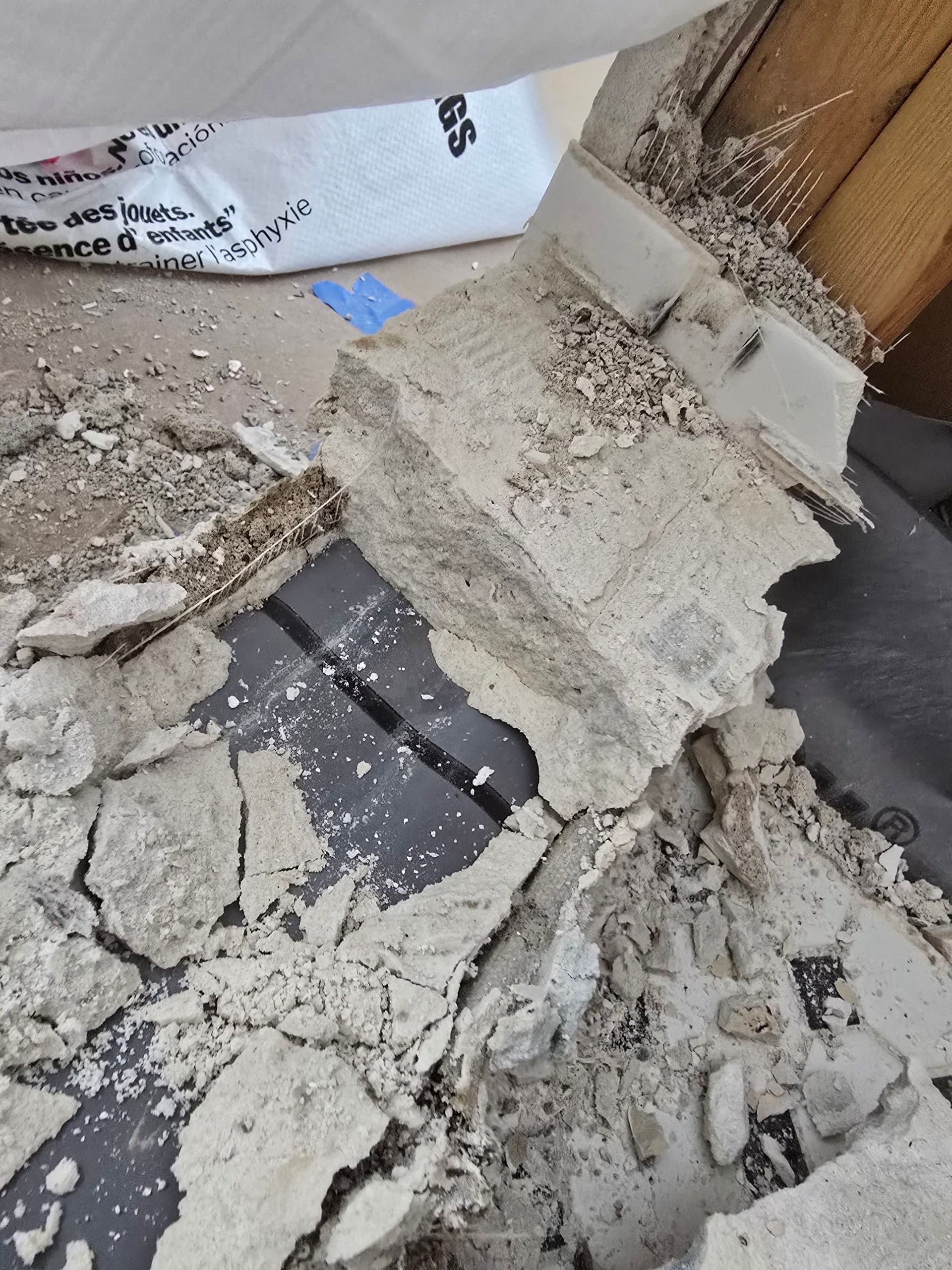
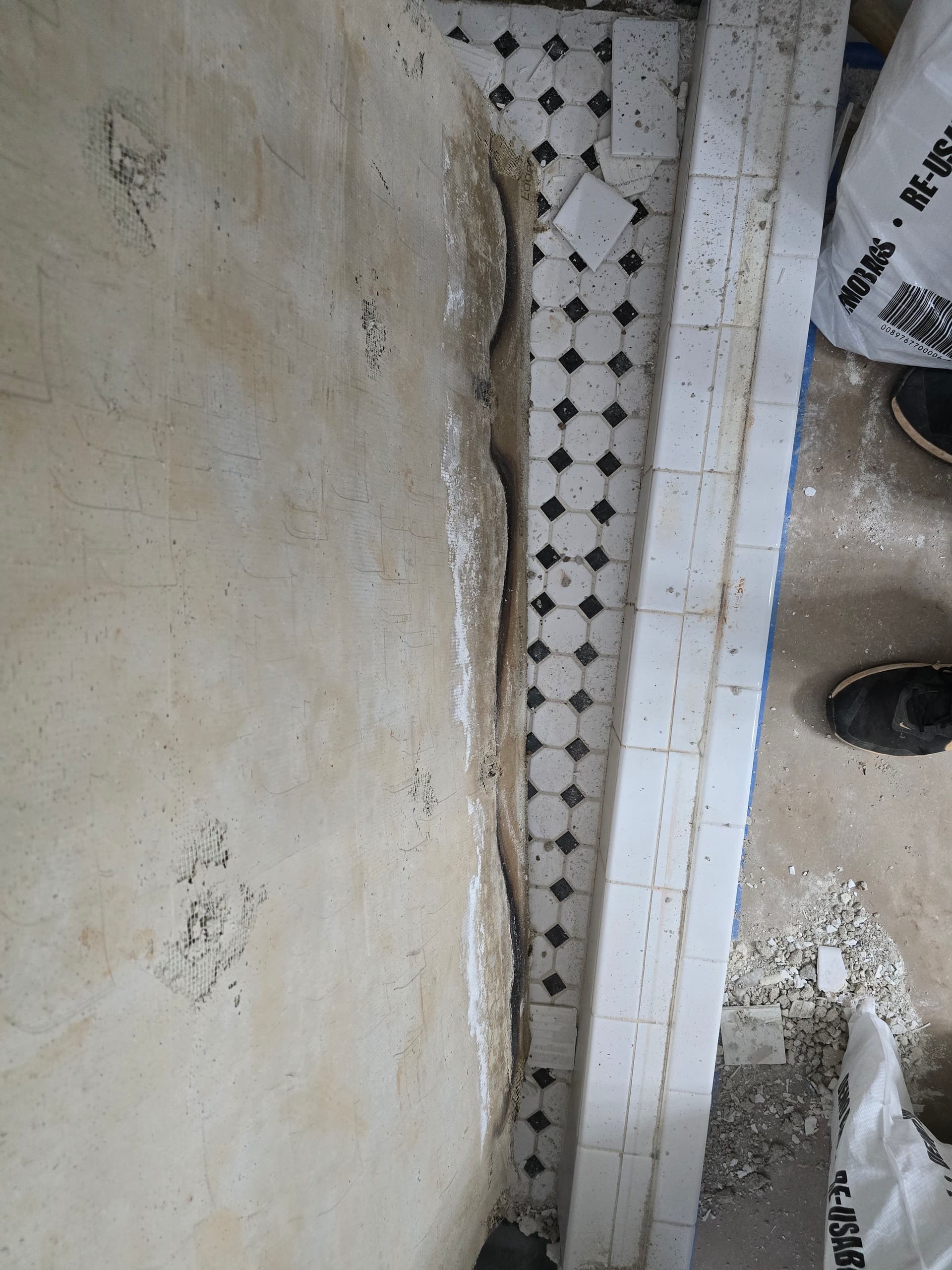
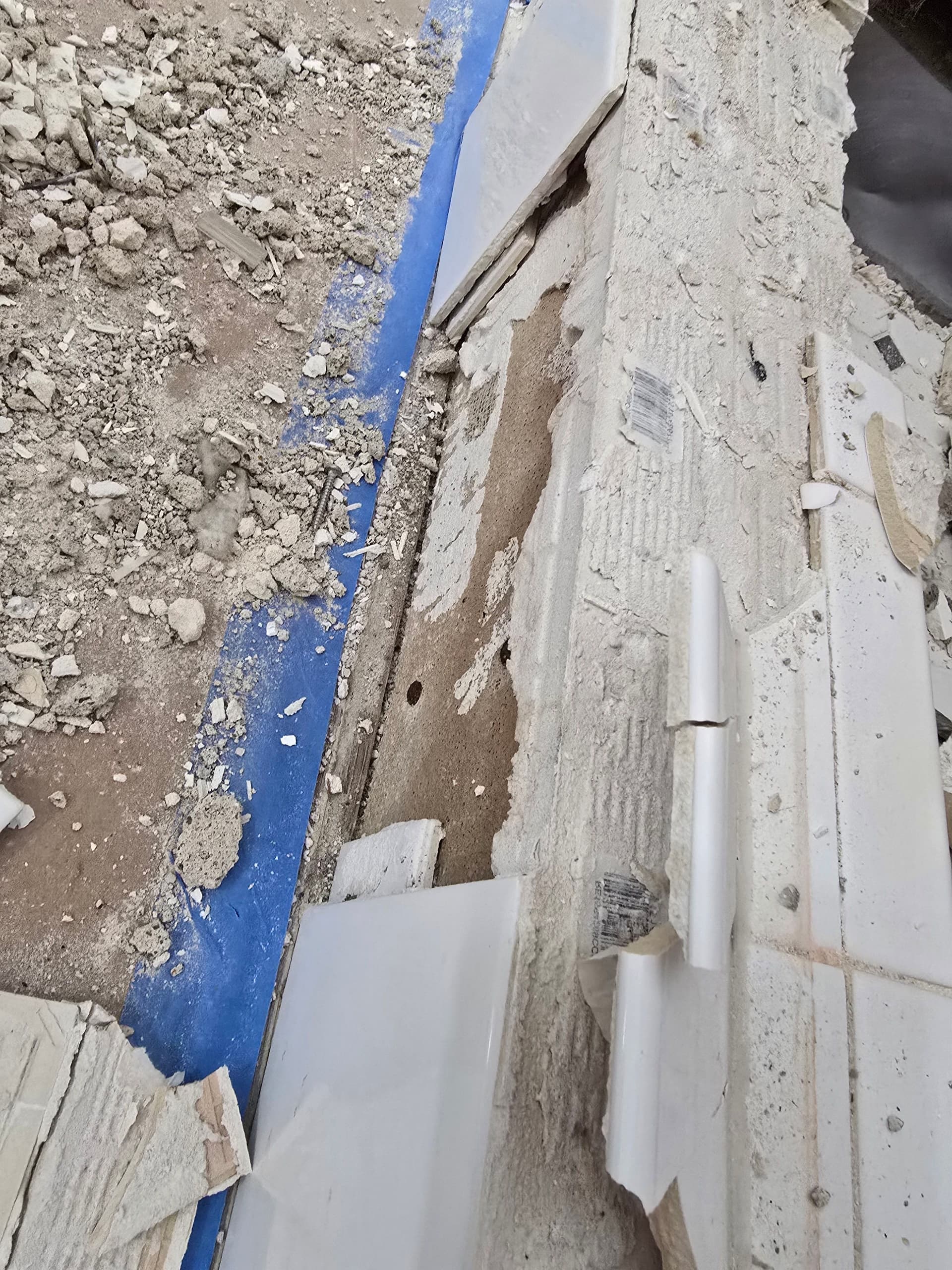
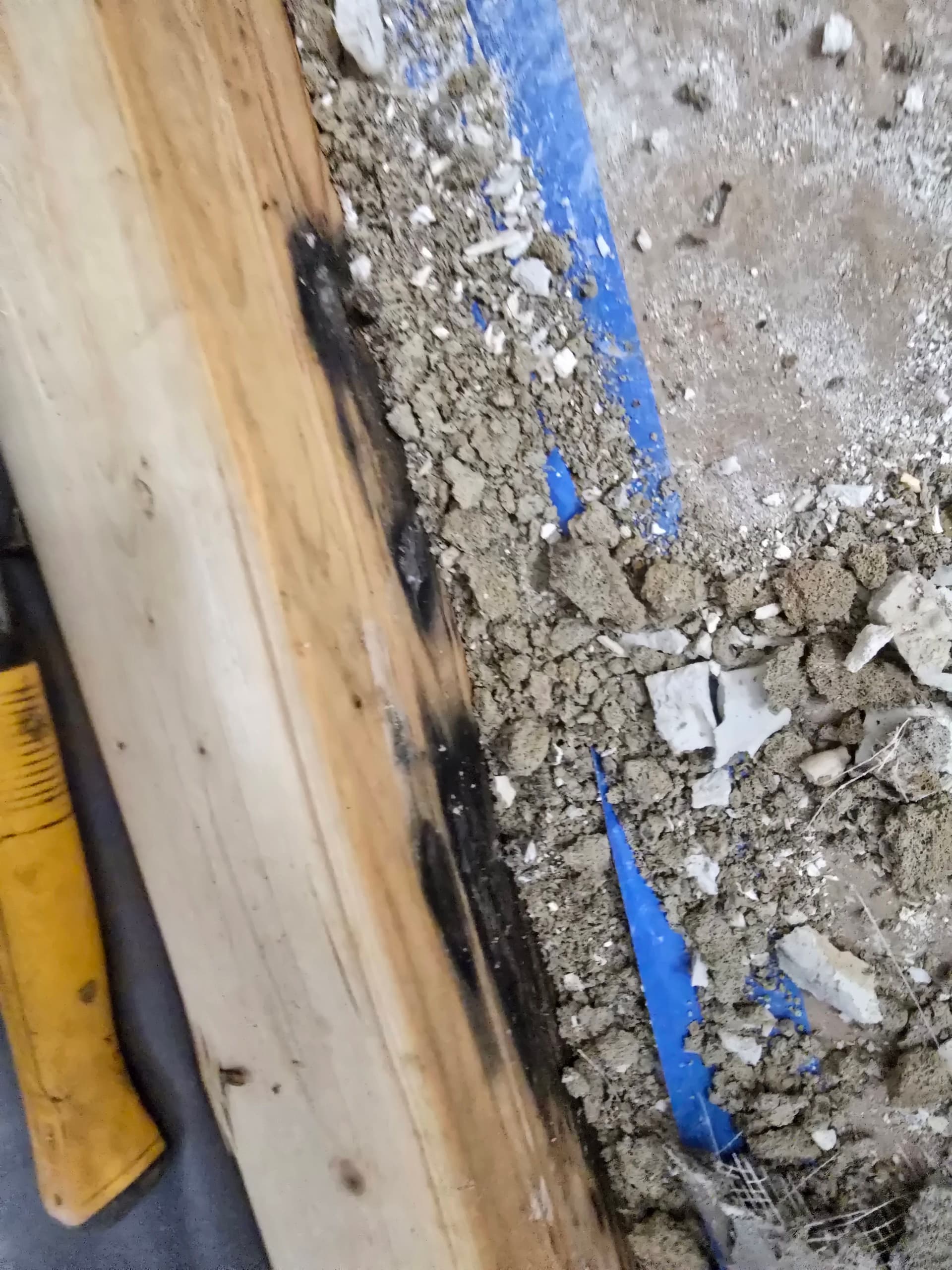
Most shower problems start the same way - with an install that looked fine on the surface but skipped the steps that actually matter. That's exactly what we found here. From the outside, this was a clean, tiled shower with glass doors and granite accents. Nothing screamed emergency. But the signs were there, and once we started pulling things apart, the real story came out fast.
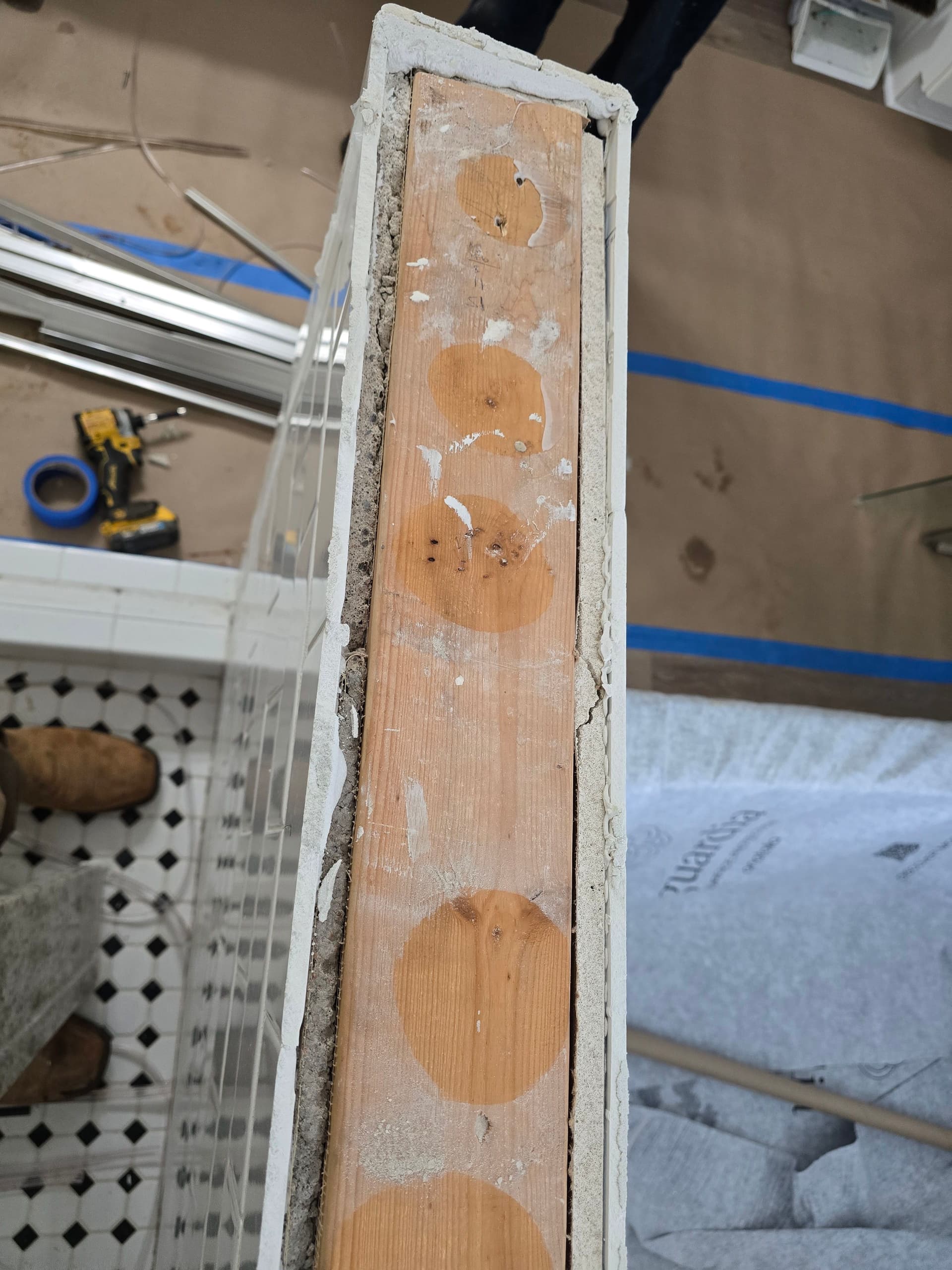
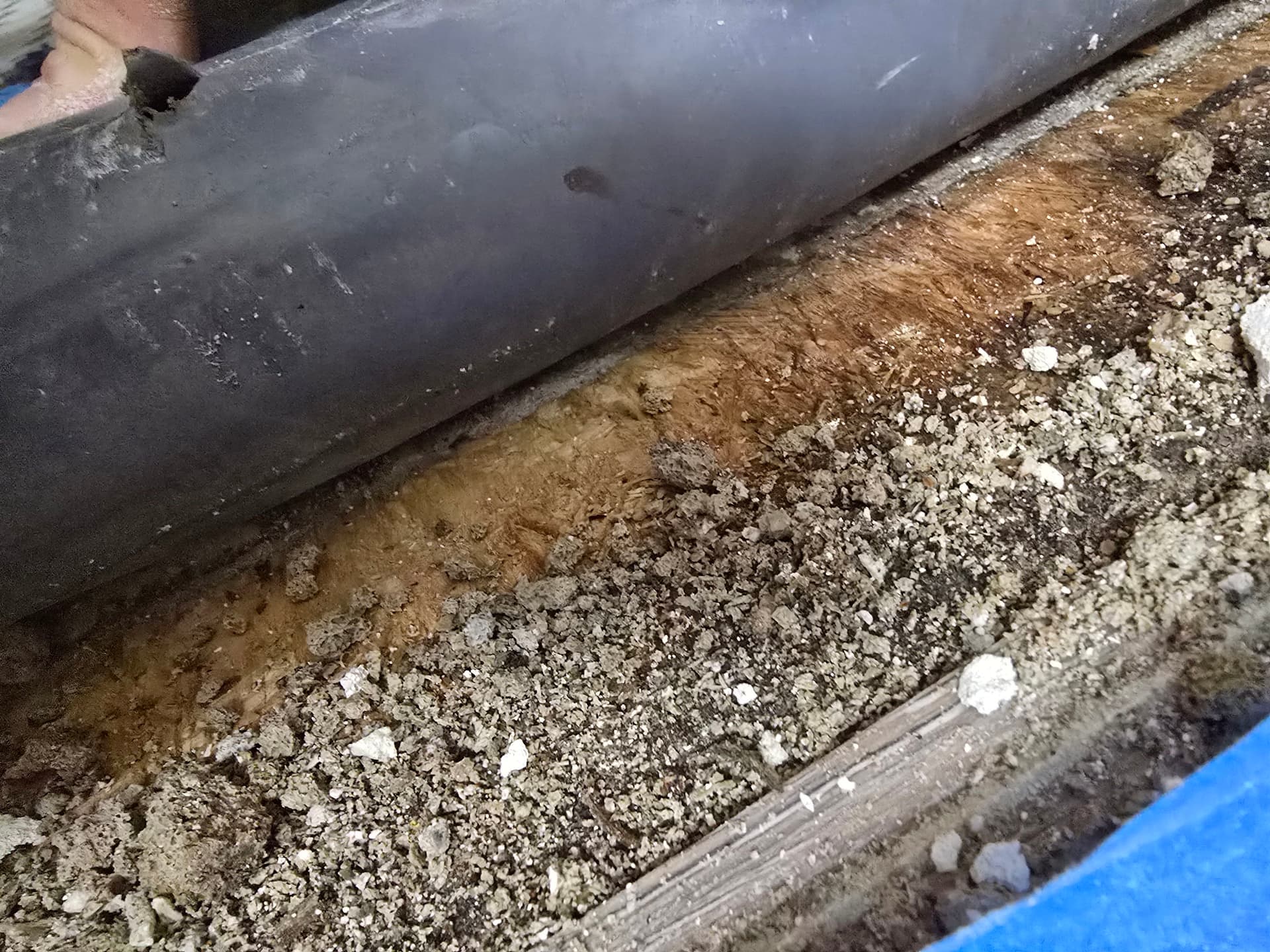
The first thing we found was wood framing used where it had no business being - fasteners driven straight through areas that should have been fully waterproofed and protected. Water had been working its way in for a long time. The mud bed was saturated, the liner had failed, and the substructure underneath was taking damage that only gets worse the longer you wait. This is what happens when waterproofing is treated as optional instead of essential.
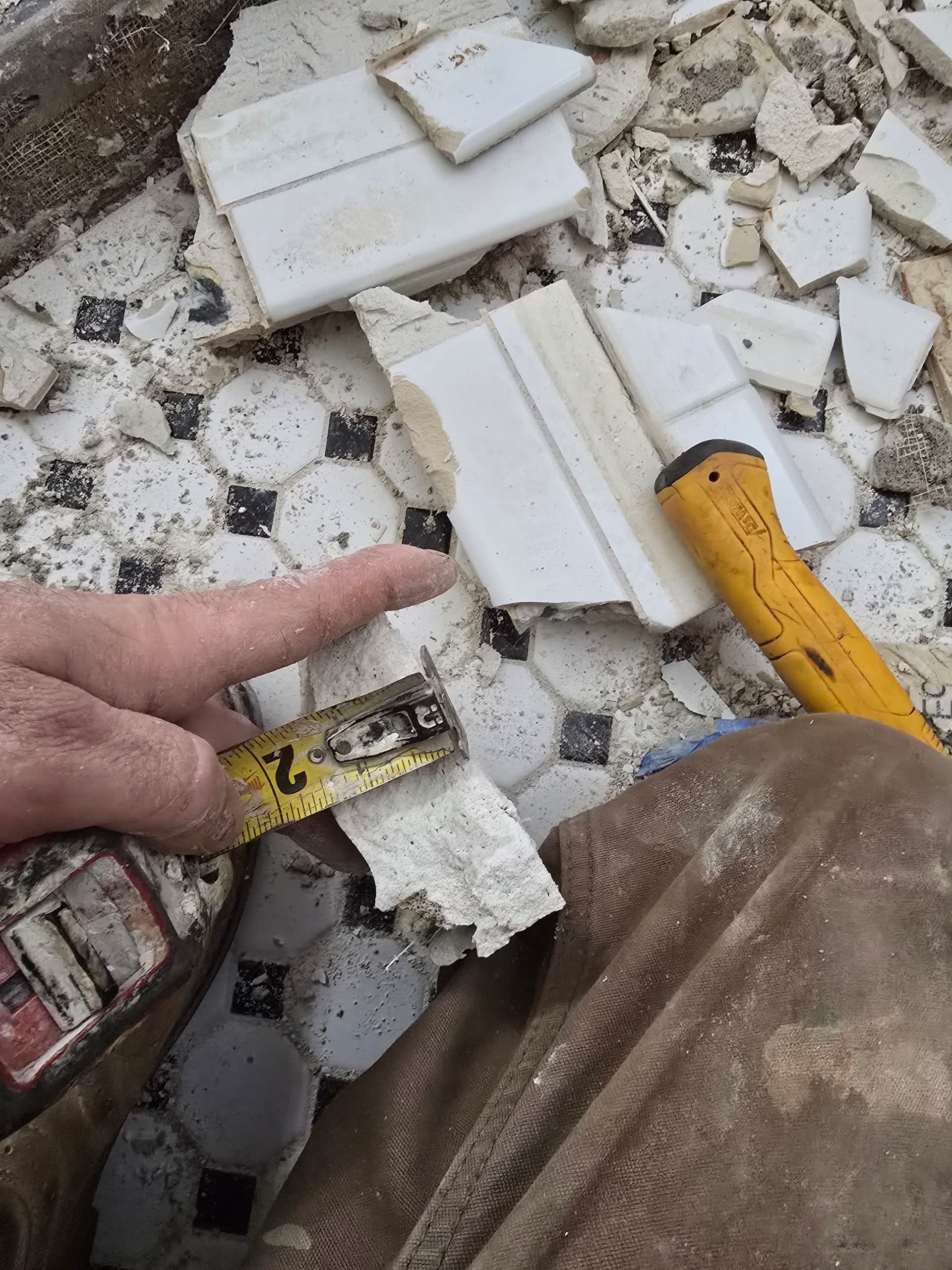
Once we committed to the teardown, we stripped everything back to bare structure - tile, mortar bed, liner, all of it. That's the only way to do this right. You can't patch over a failed waterproofing system and expect it to hold. The whole assembly has to go so the new one can be built correctly from the ground up, with a proper liner, correct slope to the drain, and no shortcuts in the layers that water will never stop testing.
A shower like this gets used every single day. Every time it does, water is pushing against every seam, every corner, every connection point. If any part of that system wasn't done right the first time, it's only a matter of when - not if - something goes wrong. The good news is that a proper bathroom renovation gives you a shower built to actually last, not just look good for a few years before problems start creeping in.
If your shower is showing soft spots, cracked grout that keeps coming back, staining at the base, or a musty smell you can't track down - those aren't cosmetic issues. They're usually signs of exactly what we found here. Getting in front of it early is always cheaper than waiting until the damage spreads beyond the shower itself.